Welcome to Jupiter Lakes Villas Condo Owner’s Association Web Site
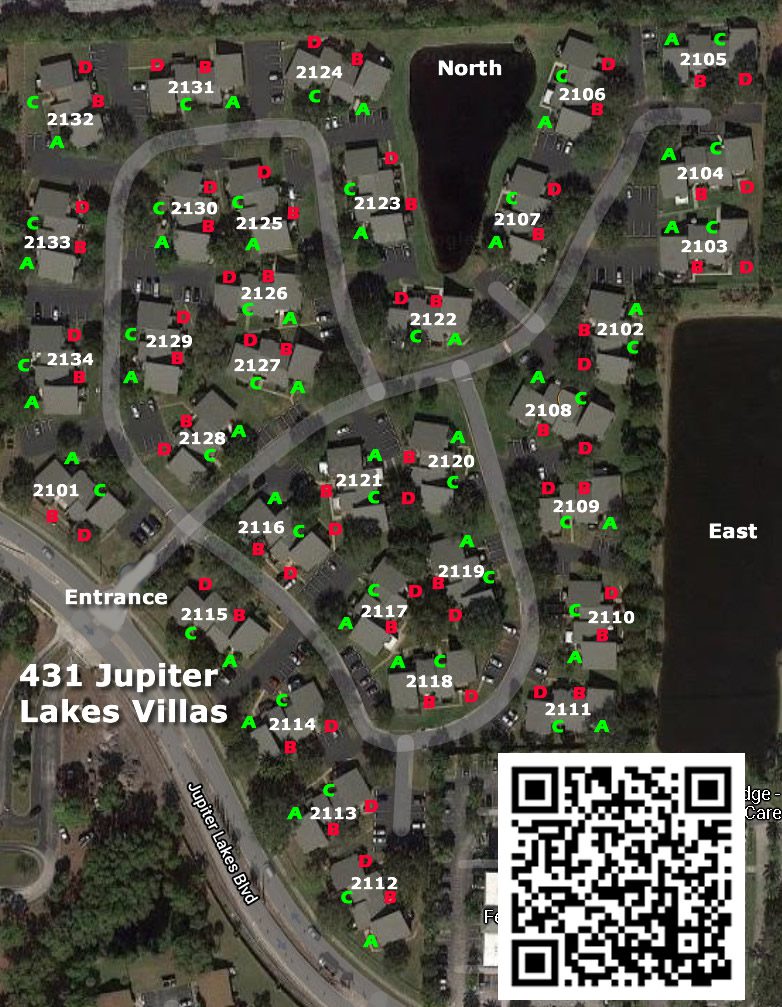
This site is for Owners and Tenants of Jupiter Lakes Villas Condominiums at 431 Jupiter Lakes Blvd. Jupiter FL. 33458
Welcome to Your JLV Website.

For the best experience COA Members should LOGIN to access the full website and documents – Members MUST do a one-time Registration in order to Login.
Events
———————
Notice of Board of Directors Meeting
Thursday, July 23, 2026, at 6:00 pm
Members are welcome and encouraged to attend.
Meeting in-person at Triton Offices or by Zoom.
See your email or visit the Member’s Only section of the website for more details & agenda.
These meetings are Members Only – sorry no tenants/renters.
JLV COA Owner Payment Portal – Make COA Payment Online
Click the logo to go to the “Engage” Payment Portal

Any questions or having a problem getting registered or using the portal please contact Property Management.
Last Call for Free Install – BroadStar Fiber
Free installation period from July 1st to the 14th – take advantage and save the $200 install fee.
There are still about 20 units who have not connected to our Fiber Optic services.
Since the lower cost community wide Internet service and TV package is now an amenity included with your maintenance fees it makes no sense to not have it connected. Someday should you go to sell your unit you will find those who have Fiber Optic Internet installed are much more desirable to buyers than those condos without.
Even if you use as it a secondary Internet connection should your existing provider go down. Those who have chosen to try the reliable high speed fiber optic networks have since discontinued their expensive Comcast and AT&T services at quite a savings of $100 to $250 a month. The community contract means we pay for all 136 units to have connectivity even if they do not use the services.
If you missed the free install period (prior to 1/1/2026) you can still get it installed for FREE from July 1st to July 14th.
Contact BroadStar now and scheduling a request to get the fiber installed during this special offer period.
JLV BroadStar Tech Support – 561-203-6965
customerservice@broadstar.com
Lightning Strike Near Unit 2113 – Act of God – FPL Issue
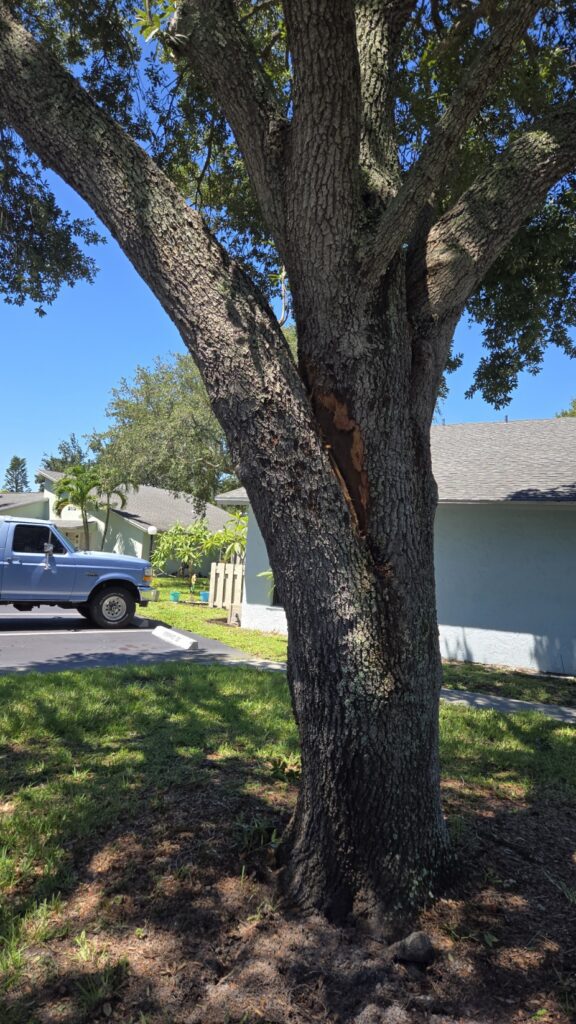
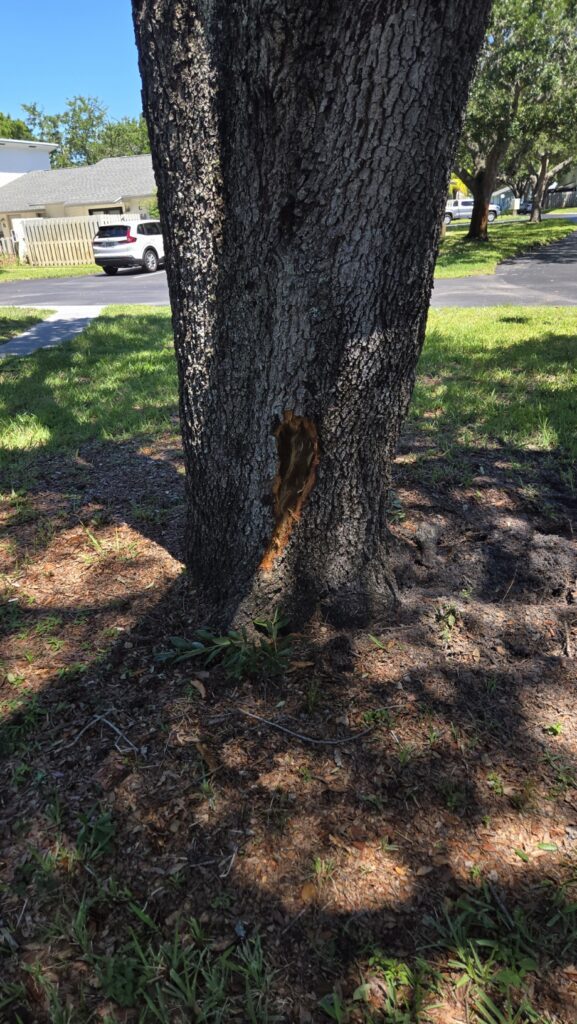
During the storm June 20th lightning hit one of our Oak trees and blew out the streetlight next to it. Alongside of it is the circuit that the BroadStar shed is on. So power was down to our Internet & TV services. FPL has been notified and inspected the meter. It was not damaged. The electrician will inspect the two breakers that were struck sometime over the next week. One breaker goes to the Internet shed and the other goes to the streetlight and lollipop lamps in that area. They will remain off until repaired.
BroadStar was able to get it running Sunday morning and all services should be back up. It looks as if BroadStar was able to get all units running. Several people had damage to their internal equipment caused by the surge. Devices were replaced and all seem to be running properly again.
How to Troubleshoot Internet & TV Issues
Take a look at this page for tips and tricks to keep your services running smoothly.
How to Troubleshoot Internet & TV Issues | Jupiter Lakes Villas
Final Tally of Votes for Special Meeting May 20 2026
To see the final results and all reports for the Special Meeting sign in to the Members Only area.
JLV COA Governing Documents Update Project
Statutory changes and evolving case law continuously reshape the interpretation, enforceability, and practical impact of a community association’s governing documents. Outdated provisions in these documents may expose the association and its members to significant liability and operational risk. Aging restrictions can also impede effective governance, leaving associations without the necessary rights, powers, and remedies to properly manage and protect the community.
Review this quick overview about Governing Documents:
For the complete information go to the Members Only area.
Other New Items of Interest
Arbor Day – Free Fiddlewood Trees from Town of Jupiter
The Town of Jupiter celebrated Arbor Day on May 21, 2026, by hosting a special event where they gave away mature, nicely sized trees at no cost. Four of our Owners attended and were able to obtain four Fiddlewood trees. Today, June 4, 2026, those trees were planted around the community in areas that previously had no shade.
In South Florida, the fiddlewood tree (Citharexylum spinosum) is a prized native for its resilience and ornamental charm. Often found in coastal hammocks and suburban landscapes, this evergreen grows into a medium-sized, shade-giving canopy with glossy, lance-shaped leaves. It is best known for its long, drooping clusters of small, white, fragrant flowers that bloom repeatedly, attracting hummingbirds and butterflies. These flowers give way to clusters of bright orange-red berries, which persist on the tree and provide a valuable food source for native songbirds. Thriving in the region’s sandy soil, salt spray, and humidity, the fiddlewood is a low-maintenance choice that adds both beauty and ecological benefit to South Florida gardens.
Planting trees for shade in southern Florida is particularly advantageous due to the region’s intense, year-round solar exposure and subtropical climate, where strategic shading can dramatically reduce cooling costs, protect people and structures from harmful UV radiation, and mitigate the urban heat island effect prevalent in cities like Miami and Fort Lauderdale. Unlike northern regions that benefit from seasonal leaf drop to allow winter sun, South Florida’s mild winters mean that even evergreen shade trees—such as live oaks, gumbo limbos, or royal poincianas—provide consistent relief without significantly blocking desirable warmth, as the sun remains high in the sky year-round. Additionally, shade reduces water evaporation from lawns and gardens, lowering irrigation demands during the dry season.
Sprinkler Valve Repair & Replacement – Ongoing
Our sprinkler system is fairly old. Over the years, we’ve replaced parts as they’ve failed and upgraded the controller boxes when needed. We’ve also added rain detectors to all three systems, so we no longer water during or right after a rain. Unfortunately, these detectors don’t last long in the Florida weather—they tend to rust out every year or two—so we replace them as necessary.
In the last few years, we’ve replaced all the motors. Two motors are connected to in-ground wells, and one is connected to the lake water intake pipe. Because they see heavy use, they tend to stop working every two to three years. Special thanks to one of our neighbors, who owns Jupiter Pump and Motor, for their immediate attention to our needs. Right now, all of our motors are in good shape.
The most common issue we face now is with the valves. When a valve gets stuck, it causes a single sprinkler zone to stay on while the system rotates through all the zones in that section. This prevents the other zones from distributing the correct amount of water, while the stuck zone ends up overwatering throughout the entire cycle.
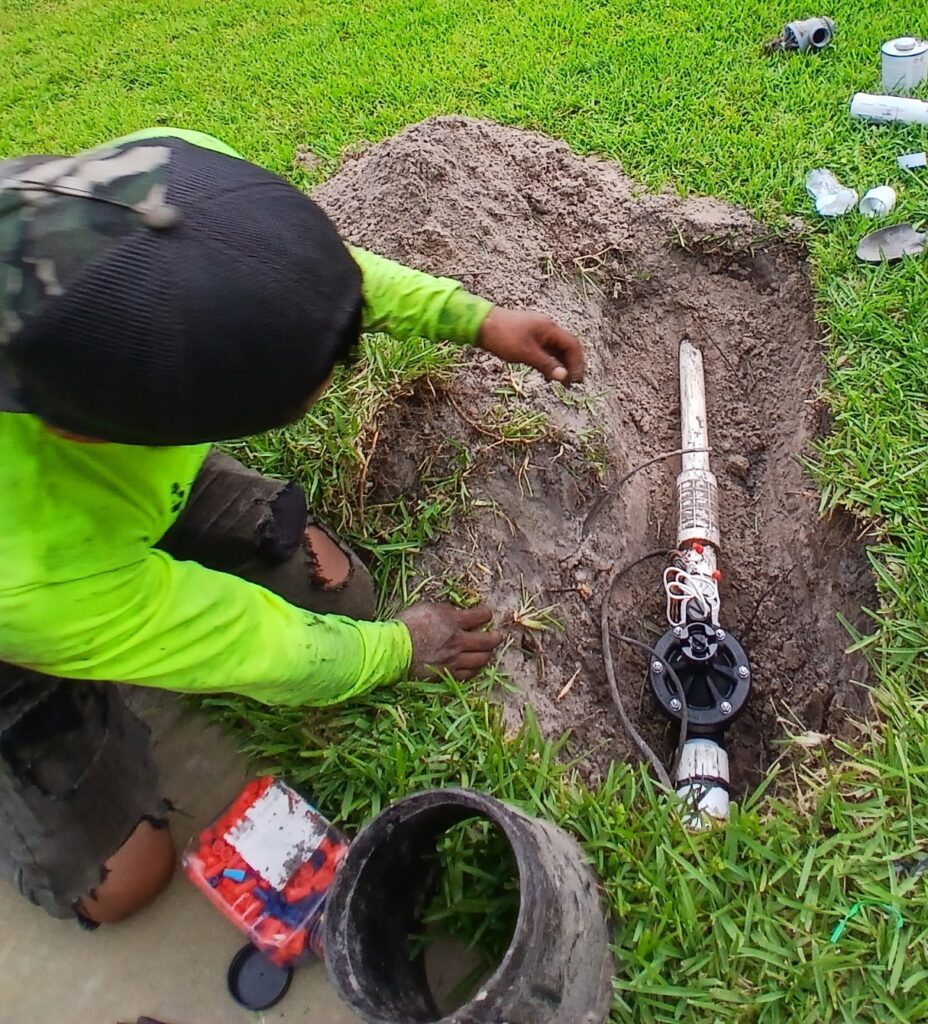
If you see one of these zones “staying on” near your unit or if you notice a broken sprinkler line or head leaking water – please let us know by contacting the Property Manager through the online form or by email.
There are about 60 valves across the entire property system. Our goal is to replace all of them over the summer to get ahead of future failures. We’ve already replaced about a dozen, and we’ll continue updating until the rest are done. The older valves have sunk into the ground over time and become covered with soil and grass, making them difficult to locate. Fortunately, our landscaper has tools to follow the wires. He will locate each valve and bring it back to the surface so they’ll be easier to find and access in the future.
Replacing all of them will save us from unexpected failures and repetitive maintenance. That means better-watered grass and fewer bald spots.
As you may know, we purposely contracted with an organic landscaping service that also handles sprinklers. This has effectively resolved the age-old “grass problem”—where the sprinkler company blames the landscaper and the landscaper blames the sprinkler company.
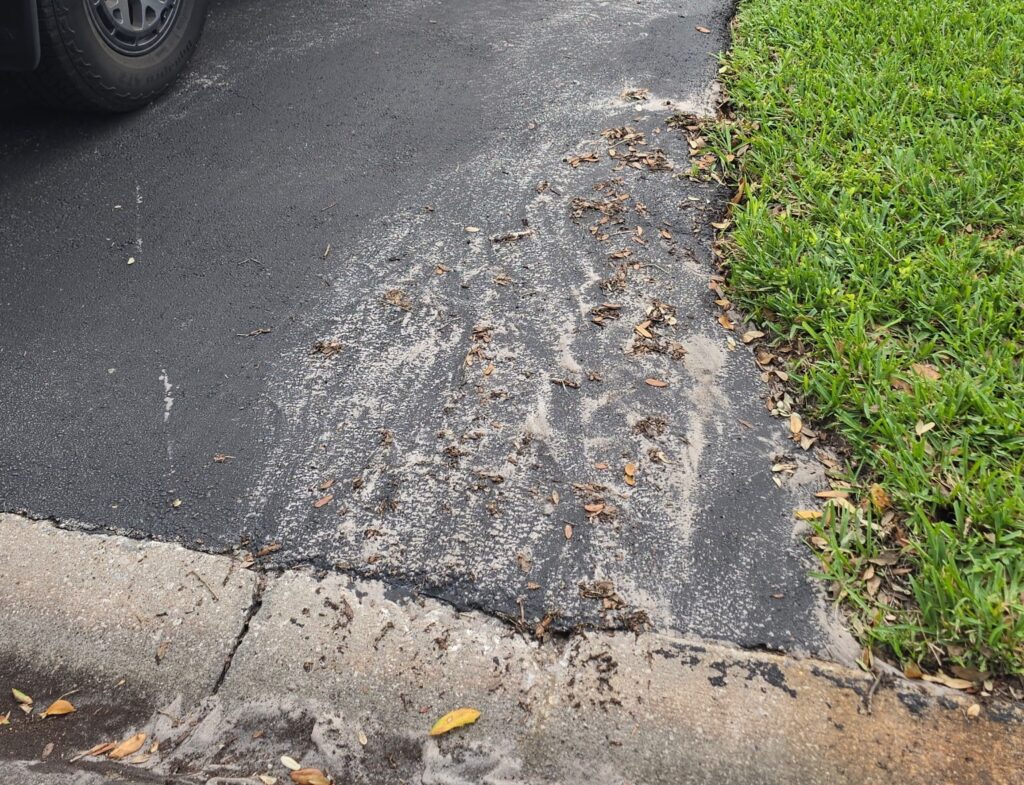
Another issue we’ve experienced over the years is underground water mains to the sprinkler systems getting broken. Most often, this is caused by the roots of our beautiful oak trees. Over the decades, the trees have grown, and some of the main pipes were originally installed beneath them when they were young. These breaks make themselves known when an entire section stops working, when water shoots into the air, or when white beach sand appears on the ground above the leak. Again, if you see any of these signs, please contact the property manager.
jlvmgr@tritoncam.com
Satellite Dish Removal
High Speed Internet & TV services with Broadstar are now included with the association amenities, so most satellite dishes are no longer needed.
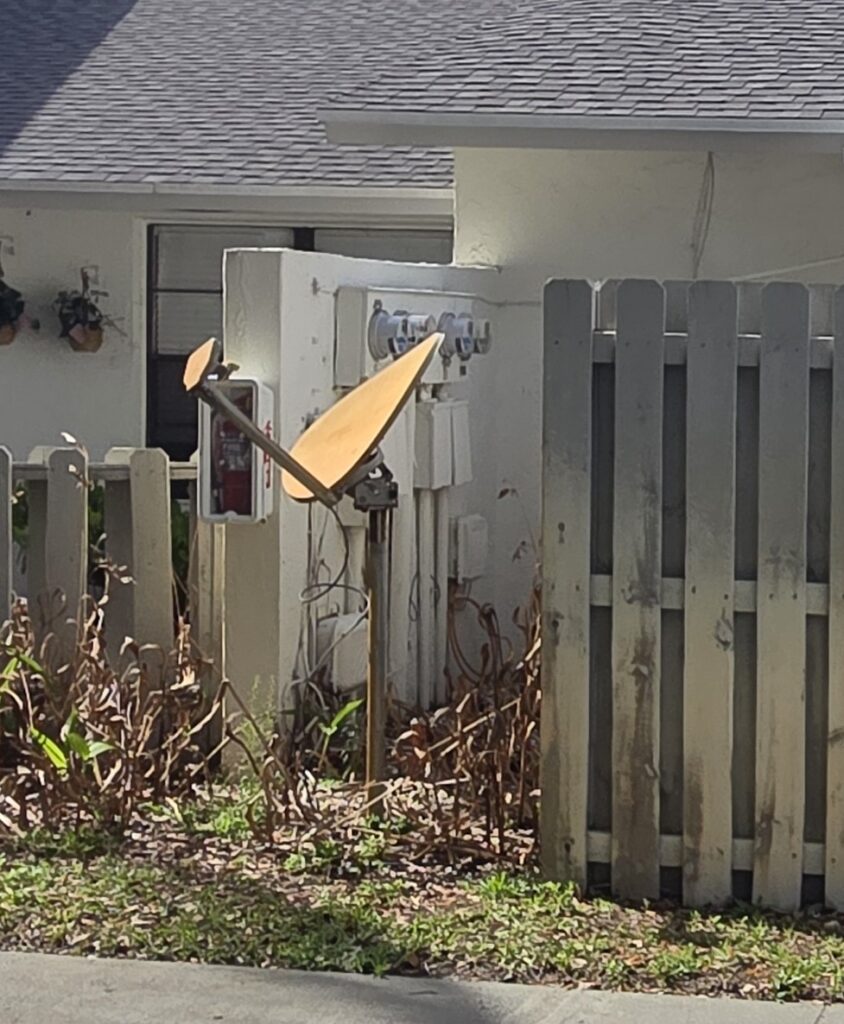
If you have a dish that’s no longer in use, please have it removed. They can be an eyesore and with stormy weather they could become a hazard if they come loose.
If you would like to have the dish removed by our handyman, please contact us at the email below with a request or submit a contact form.
jlvmgr@tritoncam.com
If You See Something – Say Something
Do you have a sprinkler that is not working properly or a lamppost where the bulb is out? How about a neighbor who does not pick up after their dog?
Please let the Property Manager know by filling out the contact form. Photos are a great help. The report remains anonymous.
Your best bet is to always alert the Property Manager before the Board. That way you can allow the Board members some privacy at their homes.
Otter Sighting – Do Not Feed the Wildlife
Seeing a North American river otter (Lontra canadensis) in a Florida lake is a sign of a healthy, functioning ecosystem. These native, social, and playful creatures are common throughout Florida, often living in bank dens and feeding on fish and crayfish. While generally harmless to humans, they are wild animals that should be observed from a distance.
What to Do:
- Observe from a Distance: Enjoy watching them play, as they are not typically harmful if left alone.
- Monitor for Health Issues: If you notice an otter acting strangely (e.g., extremely lethargic, limping), it could be suffering from a health issue like second-hand toxicity.
- Report Sick Animals: Contact local wildlife services, such as the South Florida Wildlife Center or the FWC, if you observe an animal that seems injured or diseased.
Email Contact Lists for Owners and Tenants
Are you getting the Community Email?
If not, please take a few minutes to complete the contact us form and send us your best email address.
Has you email address changed recently?
If yes, please take a few minutes to complete the contact us form and send us your best email address.
Why email is important.
JLV announcements normally go to email contact list first, so if there is anything going on in the community that could affect you, your email will alert you first.
JLV- Community Rules and Regulations – April 1st Deadline
Please be aware of the Email that has been sent to all Residents informing them of the upcoming deadline to conform to the Rules & Regulations.
Jupiter Lakes Villas Condominium Association, Inc.
JLV- Community Rules and Regulations
Good afternoon, JLV Residents,
Beginning April 1, 2026, violation notices will be issued. Continued violations may result in fines, removal of unauthorized items and plantings, and/or towing where applicable.
As a courtesy reminder, please take a moment to review the attached information and Rules from the Association’s Documents, which are also provided when moving into the community.
Below is a summary of some common violations.
Pets
· Pets must be leashed at all times when outside your unit.
· Pet owners must immediately clean up after pets and properly dispose of waste.
· Excessive noise or nuisance behavior is not permitted.
Storage of Personal Items
· Personal belongings may not be stored in common areas, walkways, or outside of units.
· This includes bicycles, kayaks, chairs, coolers, toys, tools, and other miscellaneous items.
Common Areas and Decorations
· Decorative lighting and exterior décor must comply with Association rules.
· Seasonal decorations must be removed promptly after the holiday.
. No lights or flashing lights are allowed to be seen over the courtyard fences.
· No signs, displays, lighting, or other installations are permitted to be hung without approval.
Plantings and Exterior Modifications
· No planting, landscaping changes, or exterior modifications may be made without prior written approval.
· Unauthorized items, trees and plants are subject to removal.
. Hurricane shutters are only to be closed during a storm event. They must be open/removed all other times.
Trash and Containers
· Trash must be properly bagged and disposed of.
· Garbage bins must be stored out of sight and may not remain outside except during designated collection times.
Vehicles and Parking
· Vehicles must be operable, properly registered, and maintained in good condition.
· Vehicles with loud mufflers are considered “ear sores” and are not allowed.
· Vehicles needing body work, paint or repairs are considered “eye sores” and are not allowed.
· Parking is not permitted on the grass for any amount of time.
· Unauthorized, improperly parked, or inoperable vehicles are subject to towing.
· Commercial vehicles are only allowed on property while providing a service.
Rentals
· All renters must submit the required application and documentation prior to occupancy.
· Owners are responsible for ensuring their tenants comply with all governing documents.
If you have any questions, please contact management at JLVmgr@tritoncam.com
These are the existing Rules & Regulations in our current Documents. Everyone received a copy of these and had to sign to abide by them upon purchase or lease of any unit within the community.
This is a list of some of the most common things found during a routine walk through inspection of the property by Property Management.
2026 Annual Meeting & Elections – 2/12/2026
We appreciate your participation in the 2026 Board Election
The results are in and your newly elected 2026 JLV COA Board Members are:
- James Squires – President – reelected
- Lori Elsbree – Vice President – reelected
- Ellen Heulitt – Treasurer – reelected
- Sharon Ann Sergent – Secretary – reelected
- Cheryl Pacitti – Director – newly elected
For the complete paperwork and results from the Election & Organizational Meeting go to the Members Only area.
JLV- IMPORTANT Renter/Occupant information for OWNERS
As part of our ongoing efforts to maintain up-to-date records for the community, we are requesting that homeowners who are currently renting their units provide the following:
1. A completed contact information sheet for each tenant in the unit. Click here for PDF version.
2. A copy of the most recent lease agreement.
The JLV association requires that ALL renter/occupant information be kept on file. Please submit these documents with the necessary details ASAP to avoid potential violations. Forms may be submitted by email to JLVmgr@tritoncam.com, mailed or hand delivered to the corporate office.
If you are not sure if you have already submitted the necessary paperwork, we kindly ask that you resubmit it so we can ensure we have the most up-to-date information on file.
- Those Owners who abuse or ignore the lease/application process may have potential violations and/or may lose the legal right to lease their property.
- Please note that you need to resubmit the lease upon every renewal date.
- Every person MUST submit an application form before they can move in.
Your prompt attention to this matter is greatly appreciated.
Thank you!
For new Lease or Sales Applications – We are no longer accepting the old paper applications; please use this link to find out how to start the new application process. We are now using the Tenant Evaluation third-party application process.
BroadStar Internet & TV
BroadStar Support
You can contact BroadStar Customer Service at 561-203-6965.
Why not put this number into your phone’s contact list right now.
The association has entered into a bulk service agreement as a COA amenity. The services are included as part of your JLV COA maintenance fees starting in 2026.
The Fiber Optic Internet service and 200+ TV channels are included with the maintenance fee on each unit.
New Owners and Tenants – If your unit has not been connected to the fiber optic network as yet, you are missing out. Amazing speeds and a significate savings over Comcast or ATT. It’s already installed to most all units in the community. If your previous Owner didn’t elect to have it installed when it was free, then unfortunately you will have to pay the install fee.
Sign up & Register Now
BroadStar has established a Jupiter Lakes Villas specific website to house information for your convenience.
We request that you access the website at https://www.broadstar.com/jupiterlakes/ and complete the New Customer’s Information form located on the left-hand side. Your submission will permit BroadStar to communicate directly with you and to provision equipment for your unit.
If you have any questions, comments, or concerns, please do not hesitate to contact the BroadStar Customer Service Department, located in West Palm Beach, at 561-203-6965. This contact number was created only for Jupiter Lakes Villas to contact support and customer service.
BroadStar is committed to providing outstanding Television and Internet services to our community.
Quick Link
JLV COA Members Only – Access Documents and Financials
e-Notifications and e-Voting – Get Quorum