

Project Overview
This proposal is to replace all existing wooden front and back fences and gates with new, uniform fencing. Currently we are looking into PVC/Vinyl fencing.
The Problem with the Current Wooden Fences
Our community’s wooden fences are outdated and problematic. They begin to decay almost immediately, giving the community a rundown appearance. They are costly and labor-intensive to maintain, which has led many owners to neglect them; most gates are now missing.
The fences are inconsistent because they were installed at different times and do not follow any standard design. Furthermore, a significant issue is that the previous board made an unauthorized material change five years ago by painting all the fences grey without a vote or consent from the membership, which was against our rules.
One Solution: New PVC Fences
Replacing the fences with vinyl offers a long-term solution:
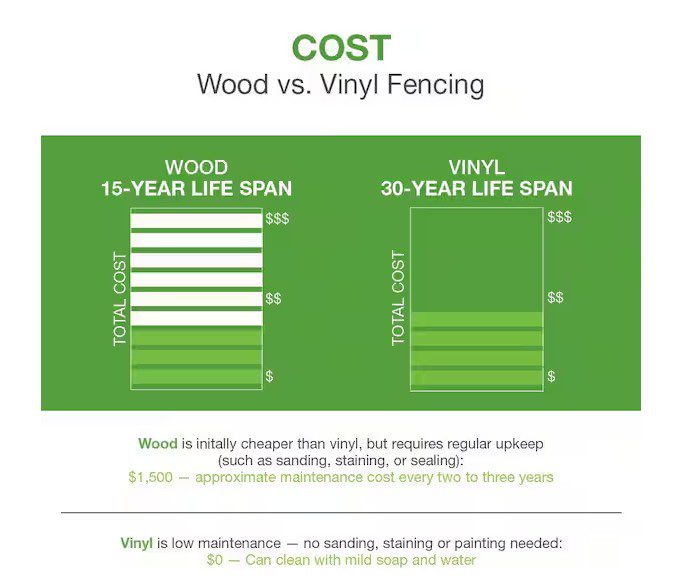
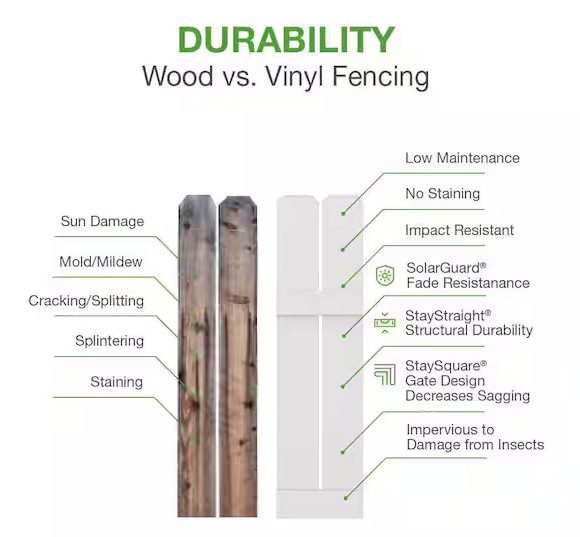
- Durability: They can last 20-25 years.
- Cost-Effective: The cost of PVC has decreased while wood has become more expensive.
- Low Maintenance: They only require occasional cleaning with soap and water.
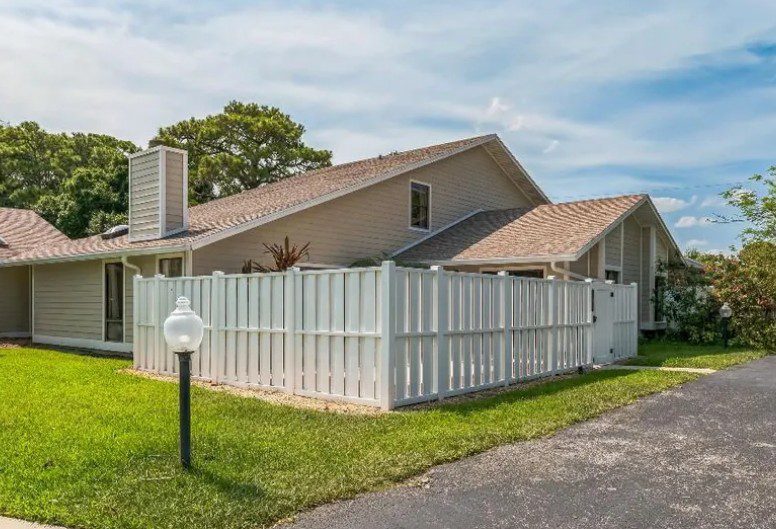
- Uniformity: New, matching fences with standard gates on all units will greatly improve our community’s appearance.
- Integrity: The proposed 4′ front and 6′ back vinyl fences would have reinforced posts to prevent sagging gates.
To see a real-life example of what the community would look like after the fence transformation, feel free to drive across Military Trail into the Summer Winds community to view their completed construction.
The Challenge and Our Plan to Address It
Our current COA documents present two main challenges:
- The fences are considered owner responsibility, not COA community property.
- Changing from wood to PVC requires a “Material Change” vote by Members.
The current 2026 Documents rule for a Material Change requires 30% of owners to be present (in person or by proxy) to have a vote on the project.
Our strategy is a two-step voting process:
- First, we voted to update our old 1979 Documents. These now include a more realistic attendance requirement for future votes. Our lawyer suggests 30%, which is fairly standard for Florida HOAs/COAs. With this lower threshold, we can realistically pass other future changes. We are no longer stuck in (1979) the past with 75% attendance to vote.
- Next, we vote on the fence project. We will hold a full Membership vote to:
- Approve the material change from wood to PVC.
- Move fence responsibility from individual owners into the COA – therein adding the maintenance and future (2046) replacement of the fences into the COA Reserve Fund.
Financing the Project
The board would approve a single community-wide project to replace all fences at once, securing a significant discount. The estimated cost is currently around $3,300 per unit. About $450k total.
To reduce this per unit cost:
- The COA has built up a large Contingency Reserve Fund. With Board approval we may be able to use about $136,000 as a deposit. This would immediately reduce each unit’s share by about 30%, bringing the Member cost down to approximately $2,300 per unit.
- Owners could pay this amount upfront or through a payment plan (e.g., 5 or 6 quarterly installments).
This community cost is much lower than an individual owner would pay for a new wooden fence (estimated at $5,800) or a PVC/vinyl fence (estimated at $4,500) in 2026. Wood construction is more costly now due to rising construction and wood costs. Wood quality has severely deteriorated as well.
Long-Term Benefits: The Fence Reserve Fund
By moving the fences into a COA Reserve Fund, we ensure their future upkeep and replacement is managed collectively. A small monthly amount added to quarterly fees over the next 20-30 years would fully fund future replacements and prevent the current problem of inconsistent maintenance by individual owners.
If the vote to create this reserve fund / material change fails, owners will remain individually responsible for their fences & gates, and the current issues with neglect and disrepair will probably continue. The COA will be forced to begin a campaign to get all the Owners to repair or replace their fences & gates with the old wood design.
Summary of the Process
- Vote on the new Documents: This has been completed! Passed May 2026.
- Vote on the Fences: Members vote to approve the Material Change and relinquish the responsibility of the fences & gates upkeep and repair.
- Installation & Funding: The project could be financed through a special assessment (possibly reduced by COA contingency reserves, as mentioned above) and the long-term reserve fund would be established for future needs.
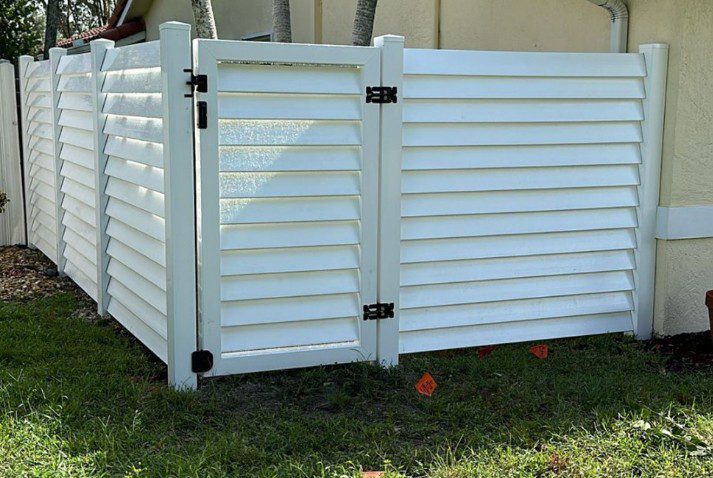
While the louvered look is appealing the contractors who have given us estimates so far have all informed us that they are prone to sagging over time and the cost to install and maintain them is higher.
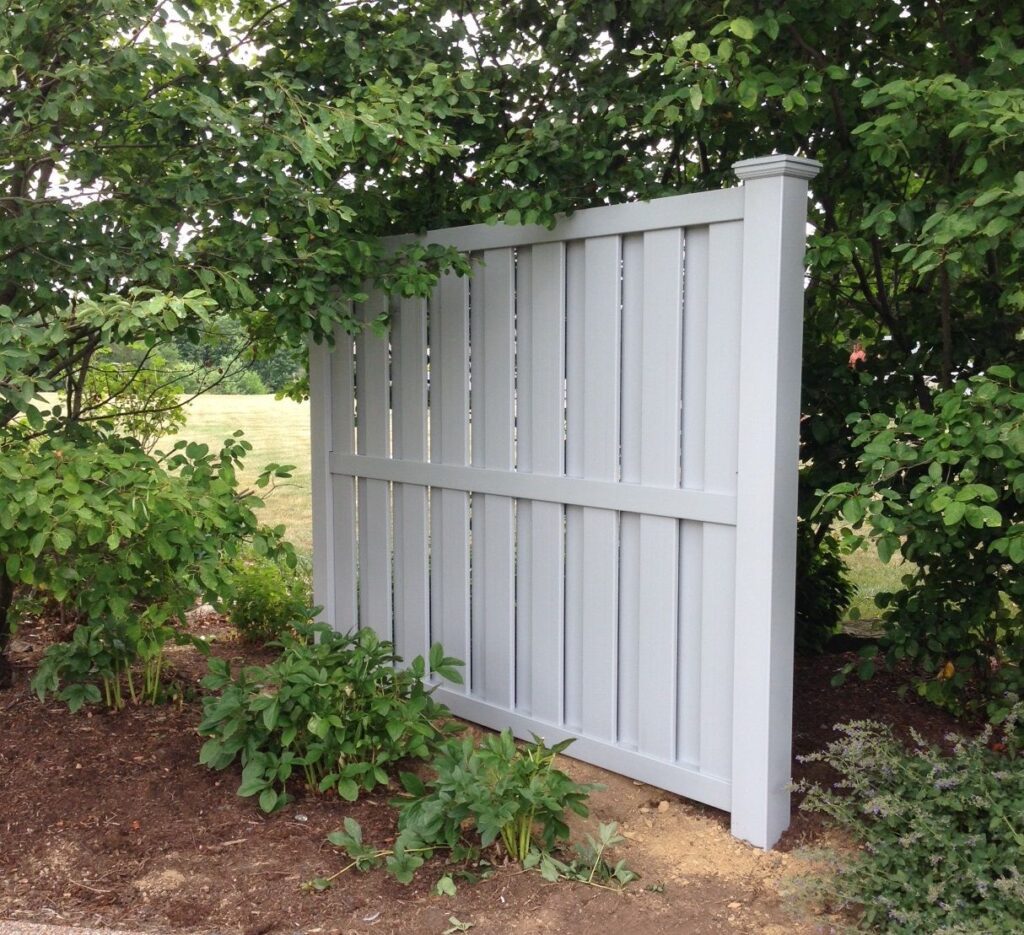
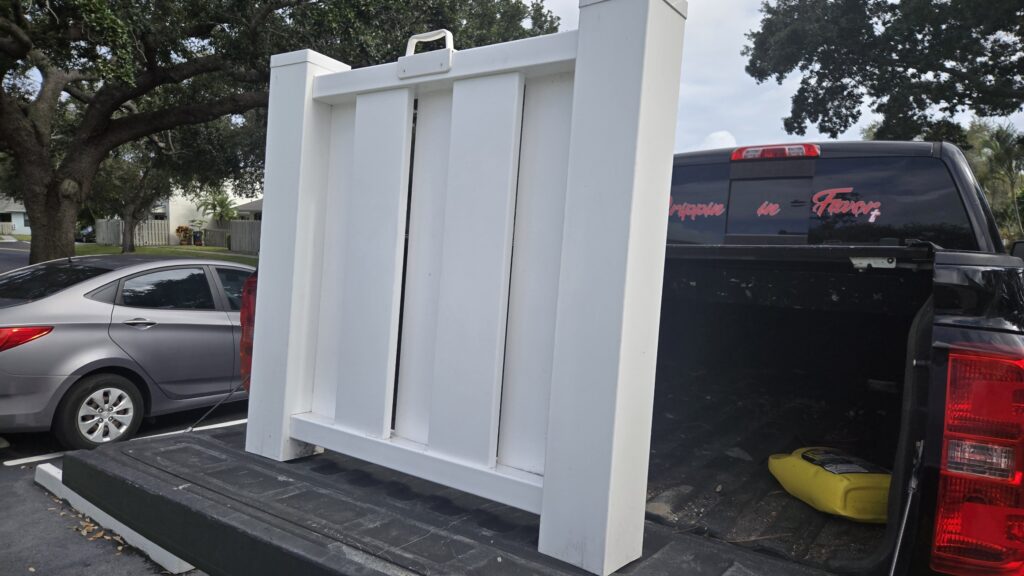
The shadowbox design similar to the existing wooden fences. They allow the wind to blow through the slats and will have less damage during stormy weather and hurricanes.
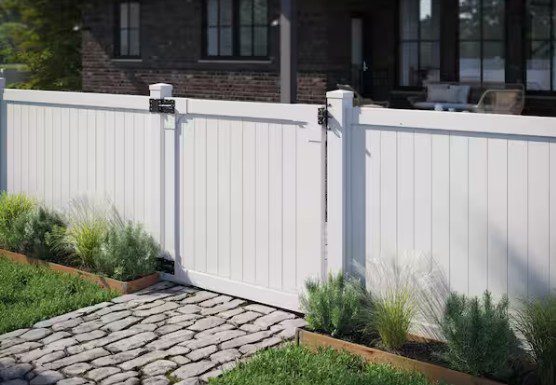
This 4-foot-high fence in the front patio areas will conceal anything stored behind them and also replace all the gates that have been removed over the years. New gates with new hardware that are manufactured to support the gates over time. The posts on either side of the gates will be reinforced with aluminum on the inside to support the gates through the years. No more hanging or sagging gates. The lower profile at only 4 feet tall should allow wind to pass over without as much damage from storms.