

Certain large Florida cockroaches, commonly called palmetto bugs (like American and smokybrown roaches) or Asian cockroaches, take flight because of warm temperatures, high humidity, startling movements, or an attraction to artificial lights. Heavy summer rains also flood their outdoor mulch and tree habitats, forcing them to move or glide toward drier shelter.
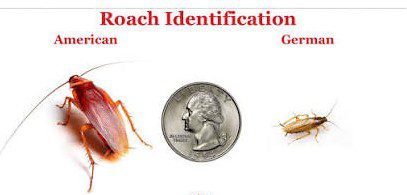
Several large species of cockroaches in Florida live in and around trees, particularly palm trees, palmetto fronds, rotting tree stumps, and hollow wood cavities. These outdoor roaches—frequently called “palmetto bugs”—prefer damp, warm, and shaded natural environments rather than indoor spaces.
August is right in the middle of peak flying roach season in Florida. Heavy summer rains, high heat, and intense humidity flood outdoor hiding spots like mulch beds and palmetto trees, forcing large outdoor roaches—commonly known as palmetto bugs or American cockroaches—to fly and try to move to dry shelter.
Why August is Bad
Heavy Rain: Flooded ground pushes roaches out of the soil, grass, and leaf piles.
High Heat: Peak summer temperatures ramp up their movement and breeding.
Accidental Flights: These large roaches are clumsy flyers and often glide toward lights or straight at people.
How to Keep Them Out
Seal Gaps: Check door sweeps, windows, and weather stripping.
Fix Moisture: Clear clogged drains and fix leaky pipes.
Clear Yard Debris: Move woodpiles and heavy mulch away from your exterior walls.
Our JLV community pest control program primarily covers lawn care. Interior pest control is the responsibility of each unit owner. If we identify issues such as rodents or hoarding-related infestations (e.g., roaches), we address them on a case-by-case basis. Typically, the Board of Directors and Property Manager will work with the owner of the unit to resolve the problem. If the owner fails to take corrective action, the COA will step in and bill the owner for any associated costs.